VIRTUAL REALITY RACING SIMULATOR
Virtual Reality Racing Simulators
Virtual reality racing simulators represent one of the most significant advancements in modern sim racing technology. Instead of relying on traditional monitor-based displays, VR places the driver directly inside a fully immersive 3D cockpit environment. By wearing a VR headset, users experience a true sense of presence, where the track, car interior, and surrounding environment feel physically real rather than displayed on a flat screen.Within the RaceVR ecosystem at Forcetronic, virtual reality technology is designed to work alongside high-performance motion simulator platforms, creating a combined experience that closely replicates real-world motorsport conditions. This integration allows drivers to not only see and hear the race but also feel it through motion feedback and immersive spatial awareness.
Fully Immersive Cockpit Experience
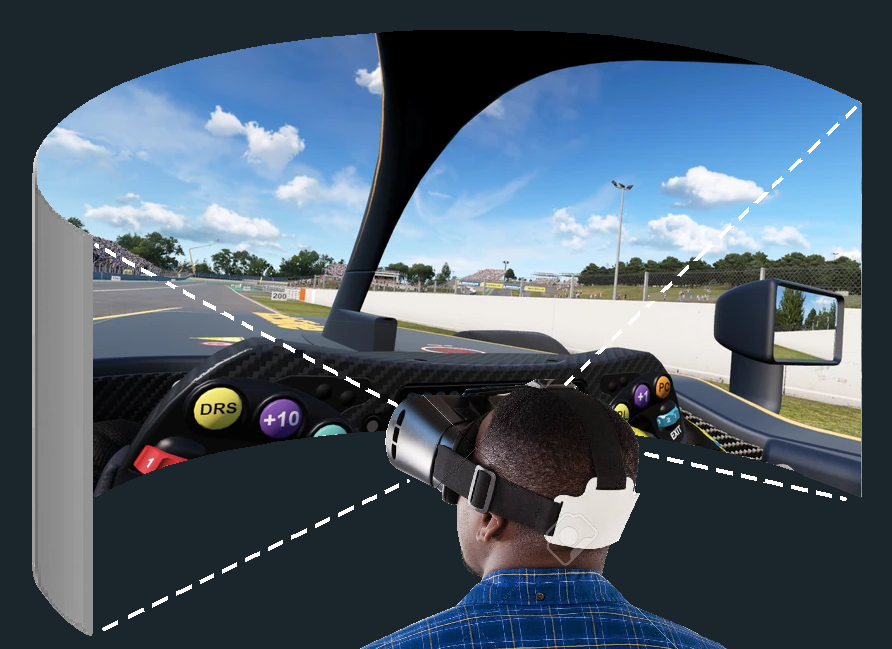
One of the key advantages of virtual reality racing simulators is the ability to sit “inside” the vehicle. Every detail of the cockpit is rendered in 3D, including the steering wheel, dashboard, mirrors, and surrounding interior. This creates a natural driving environment where spatial awareness becomes instinctive rather than artificial.Unlike a single or triple-monitor setup, VR removes the physical boundaries of a screen. Drivers can naturally lean into corners, look through apexes, and focus on racing lines in a way that closely mirrors real-life driving techniques. This level of immersion significantly enhances training value for both casual sim racers and serious competitive drivers.
3D Depth Perception and Spatial Accuracy
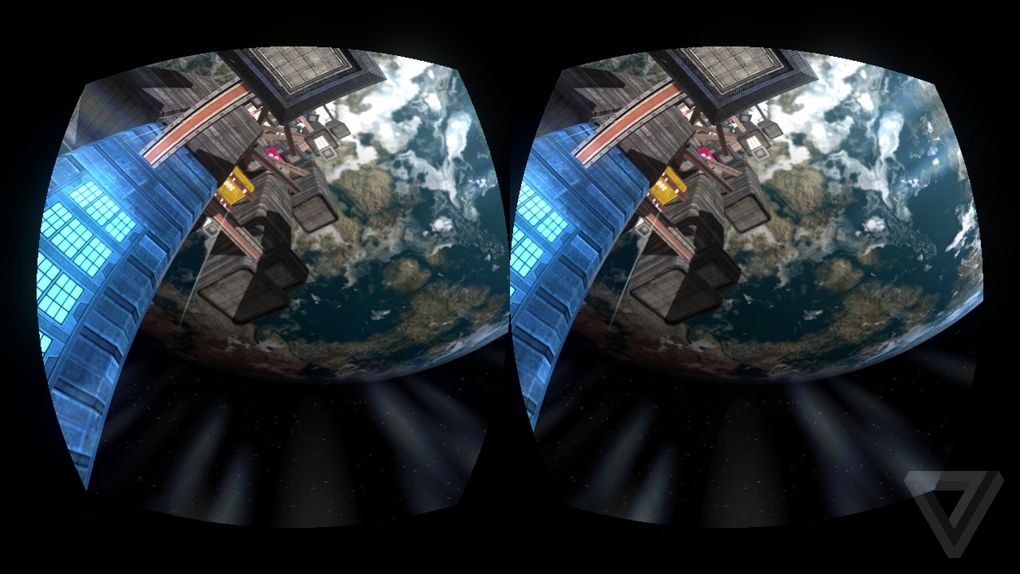
Virtual reality headsets achieve depth perception by presenting slightly different images to each eye. The brain processes these images into a stereoscopic 3D view, allowing for accurate judgment of distance and scale.In a racing context, this is extremely important. Drivers can better judge:
- Distance to corner apexes
- Proximity to kerbs and track limits
- Gaps between competing vehicles
- Braking points and overtaking opportunities
This improved spatial awareness often leads to more consistent lap times and better racing decisions, especially in competitive online environments where precision is critical.
360° Head Tracking and Natural Movement
Another defining feature of VR racing simulators is full 360-degree head tracking. The virtual environment responds instantly to head movement, allowing drivers to look around the cockpit naturally.This means you can:
- Check side mirrors with a quick glance
- Look directly into apexes while cornering
- Monitor opponents alongside your vehicle
- Scan braking zones and track conditions ahead
This level of responsiveness makes VR feel intuitive, reducing the learning curve compared to traditional simulator setups. It also enhances situational awareness, which is crucial in close racing scenarios.
Advanced Spatial Audio Integration
Modern VR systems used within racing simulators include spatial or positional audio technology. This ensures that sound behaves realistically within the virtual environment.Engine noise, tyre squeal, gear shifts, and surrounding competitors are all heard based on their physical position relative to the driver. For example, a car approaching from behind will gradually move its audio position from rear to side to front, just as it would in real life.This audio positioning adds another layer of realism and helps drivers react more effectively during wheel-to-wheel racing.
Choosing the Right VR Headset for Racing Simulation
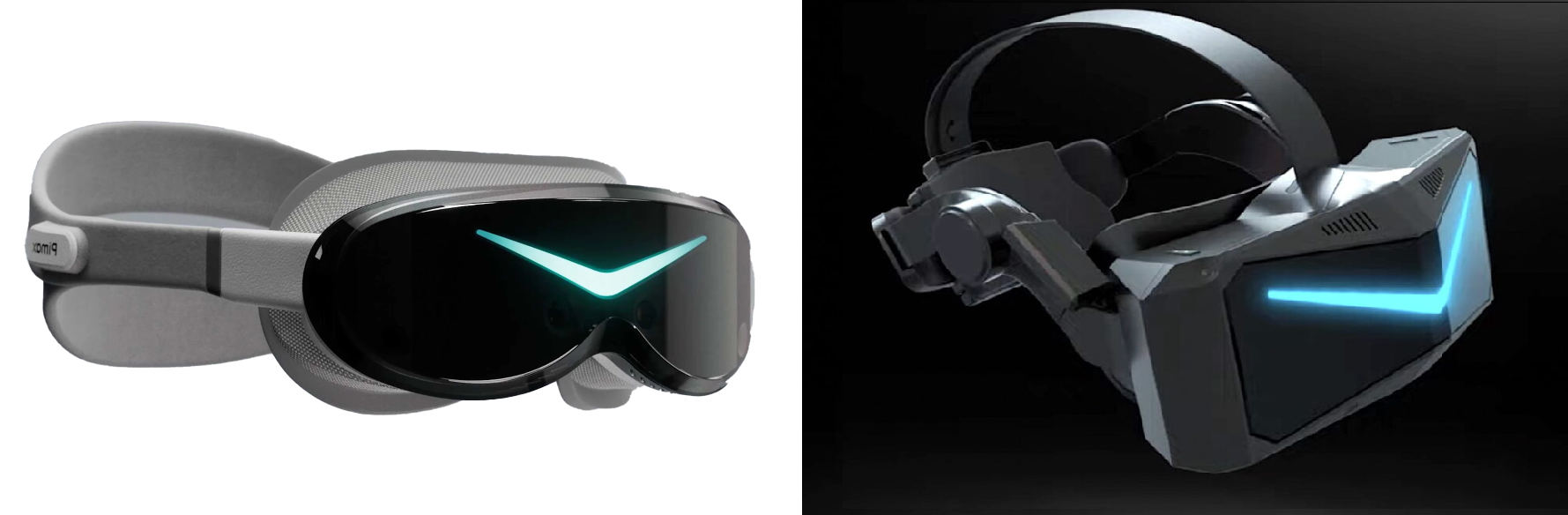
Selecting the right VR headset can significantly influence performance, comfort, and immersion. Different headsets offer varying strengths depending on the user’s priorities.Lightweight headsets are ideal for extended racing sessions, reducing fatigue during long endurance events. Meanwhile, headsets with a wider field of view enhance peripheral vision, making the driving experience feel more natural and immersive.The RaceVR platform supports a range of premium VR headsets, including advanced models such as Pimax and Bigscreen Beyond. This flexibility allows users to tailor their setup based on performance needs, budget, and comfort preferences.
VR Racing and Motion Simulator Integration
While VR alone provides a highly immersive experience, combining it with motion simulator technology elevates realism even further. Motion platforms replicate acceleration, braking forces, and road surface feedback, allowing drivers to physically feel the car’s movement.When VR and motion simulation are combined, the brain receives aligned visual, auditory, and physical cues. This reduces sensory mismatch and creates a highly convincing simulation of real motorsport driving. It is particularly valuable for training, esports racing, and professional driver development.
The Future of Virtual Reality Sim Racing
As VR hardware continues to evolve, racing simulators are becoming more realistic, responsive, and accessible. Higher resolution displays, improved refresh rates, and reduced latency are making virtual environments increasingly indistinguishable from reality. As technology progresses, VR racing simulators are expected to become a standard tool not only for enthusiasts but also for professional driver training, automotive development, and esports competition.
Summary
Virtual reality racing simulators redefine what it means to experience motorsport from home or in professional training environments. With realistic 3D depth perception, 360-degree head tracking, spatial audio, and compatibility with motion simulator systems, VR creates an unmatched level of immersion and realism. Combined with the RaceVR platform at Forcetronic, users can experience the next generation of racing simulation technology designed for performance, training, and pure driving enjoyment.