FORCE FEEDBACK RACING SIMULATOR
What is Force Feedback?
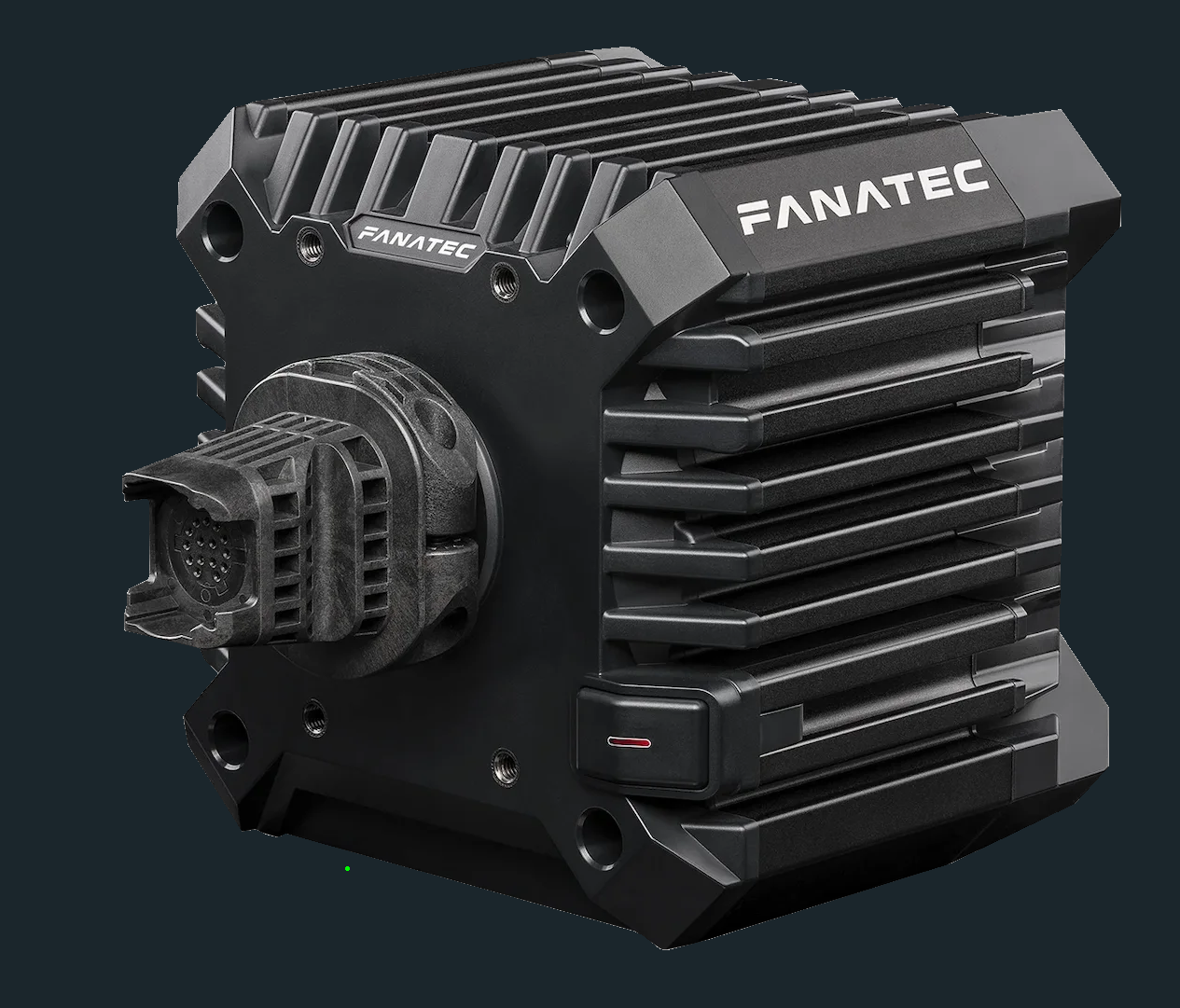
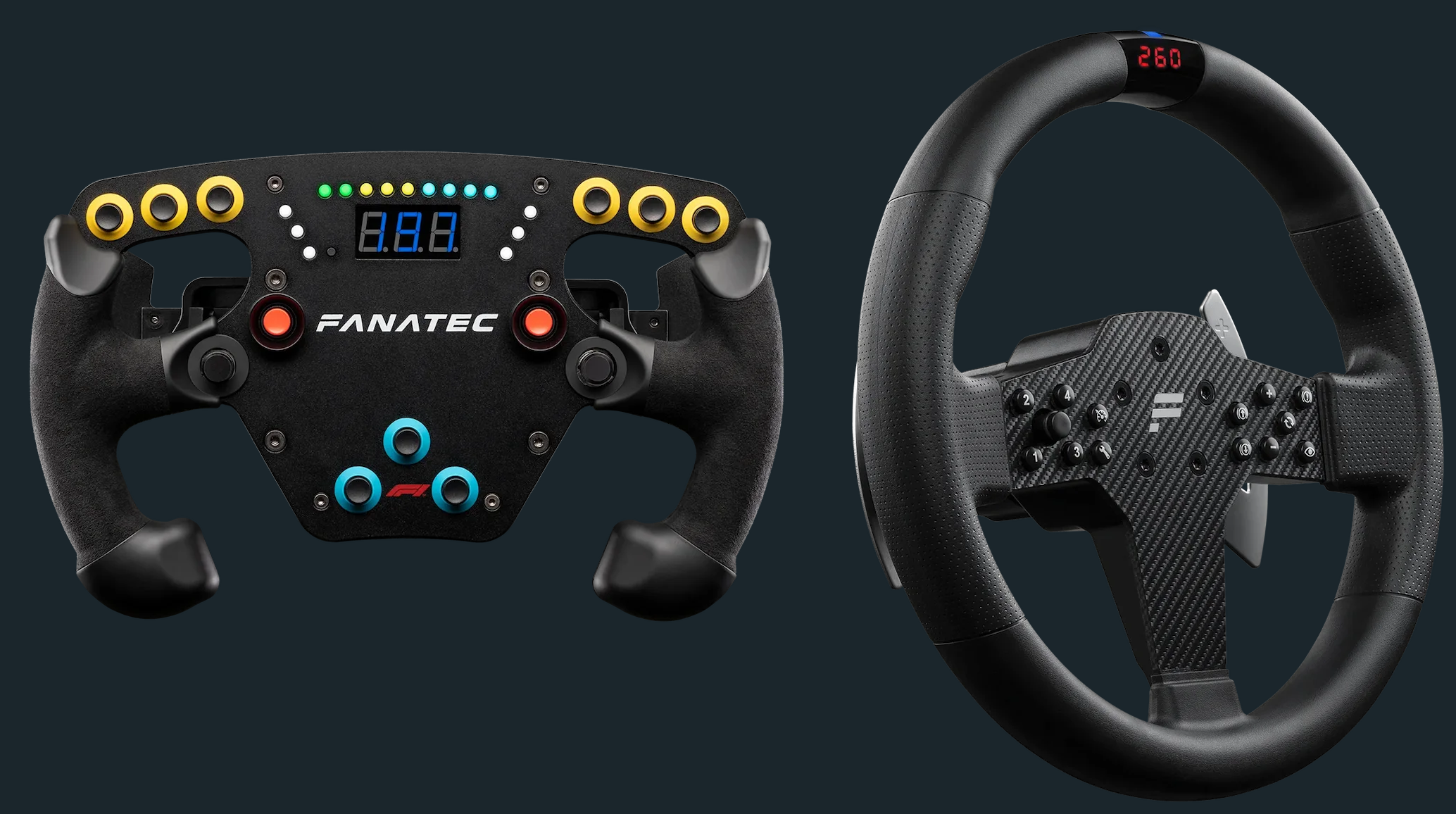
Force feedback is one of the most important technologies found in a professional racing simulator. Unlike a conventional gaming steering wheel that simply turns left and right, a force feedback wheel constantly communicates with the simulation software, allowing the driver to physically feel what the virtual tyres are doing on the racing surface.Every change in grip, steering load and road surface is transmitted through powerful electric motors inside the steering wheel. Rather than simply watching the car react on a monitor, the driver experiences the forces directly through their hands, creating a much more natural and immersive driving experience.Professional racing teams have used force feedback simulation for many years because it allows drivers to develop muscle memory, improve steering accuracy and build greater confidence behind the wheel.
How Does Force Feedback Work?
Modern force feedback steering systems contain precision electric motors that respond instantly to telemetry generated by the racing simulation software. Hundreds of times every second, the simulator calculates how much grip each tyre has, the weight transferred through the chassis, steering resistance and the condition of the racing surface.These calculations are converted into physical forces inside the steering wheel.As grip increases, the steering naturally becomes heavier. As the front tyres begin to lose traction, resistance changes, allowing the driver to recognise understeer before it becomes visible on the screen. Driving over kerbs, rough surfaces or gravel produces distinct vibrations that can immediately be felt through the wheel.This constant communication between simulator software and steering system provides feedback that simply cannot be achieved using an ordinary gaming controller.
Feeling Every Part of the Circuit
A realistic racing simulator should allow you to feel the circuit as much as you see it.Force feedback enables the driver to recognise subtle differences in road surfaces including smooth asphalt, painted kerbs, grass, gravel traps and uneven track sections. Every surface produces a unique sensation through the steering wheel, helping the driver instinctively understand how much grip is available.When entering a fast corner, increasing steering resistance reflects the growing forces acting upon the front tyres. If grip begins to decrease, the steering weight changes naturally, allowing quick corrective action before the car loses control.This continuous flow of information makes driving feel considerably more realistic and greatly improves consistency over longer racing sessions.
Why Force Feedback Matters
Fast drivers rarely rely only on what they can see.In real motorsport, much of the information a driver receives comes through the steering wheel, seat and pedals. Force feedback recreates an important part of that communication by allowing drivers to physically sense what the car is doing instead of relying entirely on visual cues.Drivers quickly learn to recognise:
- Front tyre grip
- Rear traction loss
- Understeer
- Oversteer
- Weight transfer
- Heavy braking
- Corner loading
- Surface changes
Developing this sensitivity allows smoother steering inputs, improved car control and greater confidence when driving at higher speeds.
Direct Drive Technology
Modern racing simulators increasingly use Direct Drive force feedback systems because they provide exceptional precision and response.Unlike older gear-driven or belt-driven steering wheels, Direct Drive systems connect the steering wheel directly to a powerful electric motor. This produces smoother steering, faster response times and significantly greater detail, allowing drivers to feel even the smallest changes in grip and vehicle behaviour.Whether driving a Formula One car, GT car, rally car or touring car, Direct Drive technology delivers a level of realism previously only available to professional racing teams.
Combined With Motion Simulation and Virtual Reality
Force feedback becomes even more convincing when combined with RaceVR's motion simulation and virtual reality technology.While the motion platform reproduces acceleration, braking and cornering forces, the steering wheel communicates how the tyres interact with the road surface. Wearing a virtual reality headset adds true depth perception and a natural 360-degree field of view, allowing visual and physical feedback to work together.Instead of simply controlling a virtual car, the driver begins to react instinctively to the information received through their eyes, hands and body, creating an experience that closely replicates real-world driving.
Designed for Every Level of Driver
Whether you're purchasing a simulator for home use, competitive sim racing or professional driver development, force feedback is one of the most valuable technologies available.From learning smooth steering techniques to improving consistency during long endurance races, force feedback helps drivers build confidence, react more naturally and enjoy a far more immersive racing experience.Combined with RaceVR's virtual reality technology, motion simulation and high-performance hardware, force feedback completes the connection between driver and machine, delivering one of the most realistic virtual reality racing simulator experiences available.